
Quick answer
AC sizing should come from an ACCA Manual J load calculation, not square footage. It weighs insulation, windows, sun exposure, air leakage and Dayton-area design temperatures to find the tonnage your home needs. In Miamisburg, a correctly sized replacement is often smaller than the old unit, and it removes humidity better.
Bigger is not better with air conditioners. An oversized unit short-cycles and leaves a Miami Valley home cool but clammy. Here is how proper sizing actually works.
The right AC size for your home comes from a room-by-room load calculation, not from square footage alone. Industry standard ACCA Manual J accounts for insulation, windows, orientation, air leakage and local climate. In Miamisburg, a correctly sized system is often smaller than the one it replaces, and it controls humidity far better.
Here is why sizing matters so much, what goes into a real calculation, and what happens when a contractor guesses.
Tons, BTUs and What "Size" Means
Air conditioner capacity is measured in tons, and one ton equals 12,000 BTUs per hour of heat removal. Most homes in the Dayton area fall somewhere between 1.5 and 5 tons. The job is to match that capacity to how much heat actually enters your house on a typical hot day, known as the design day.
How to Tell What Size You Have Now
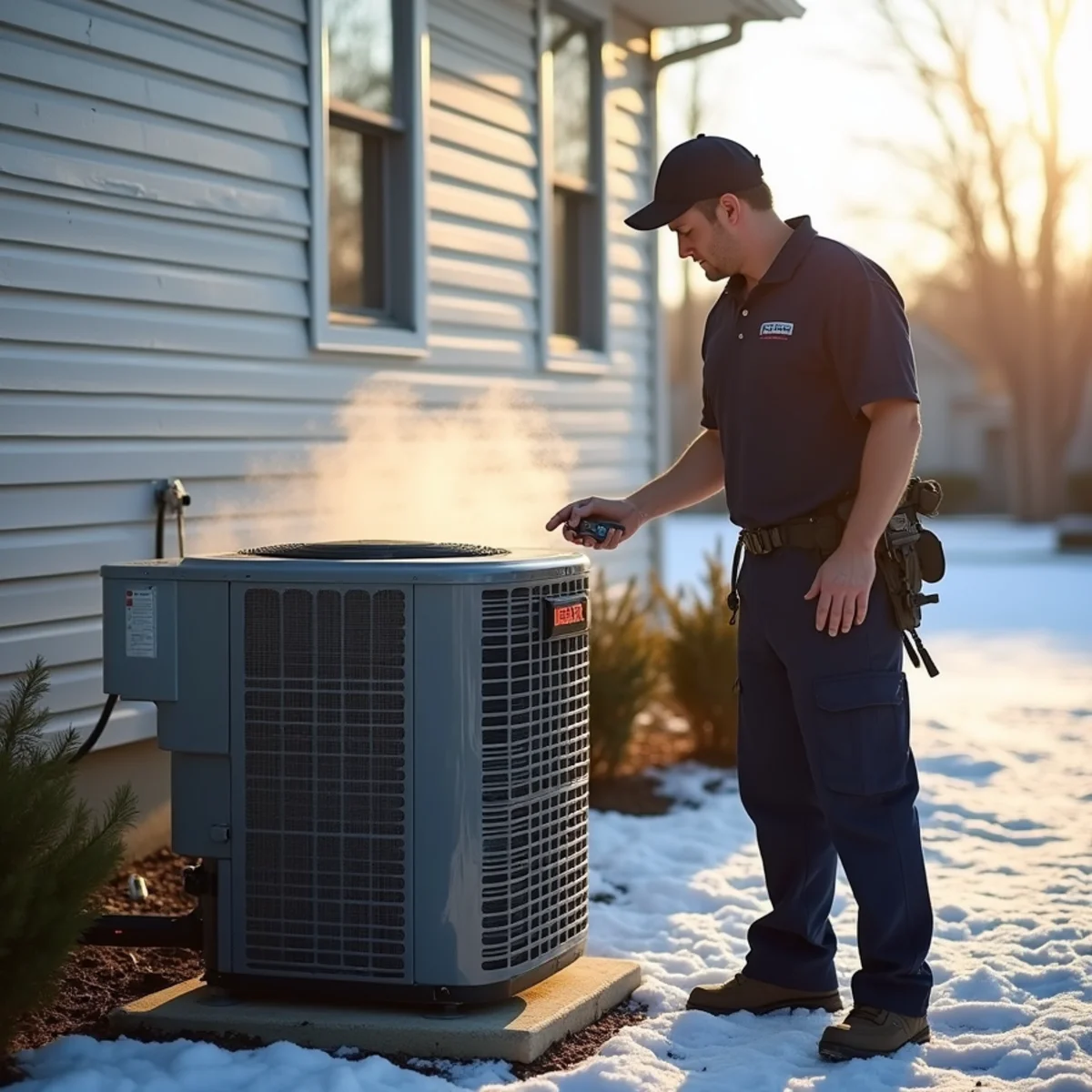
You can usually find your current capacity without a service call. Look at the data plate on the outdoor condenser and find the model number. Most manufacturers embed the nominal capacity in thousands of BTUs as a two-digit code somewhere in that string. A 36 usually means 36,000 BTUs, or 3 tons.
| Code in model number | BTUs per hour | Nominal tons |
|---|---|---|
| 18 | 18,000 | 1.5 |
| 24 | 24,000 | 2 |
| 30 | 30,000 | 2.5 |
| 36 | 36,000 | 3 |
| 42 | 42,000 | 3.5 |
| 48 | 48,000 | 4 |
| 60 | 60,000 | 5 |
Keep in mind that nominal tonnage is a label, not a measurement. Actual delivered capacity shifts with outdoor temperature, indoor humidity, airflow and the indoor coil it is paired with. Knowing the number simply gives you something to compare against the load calculation.
Rules of Thumb vs. Manual J
The old shortcut is one ton per so many square feet, often quoted as around 500. It is fast, and it ignores almost everything that affects cooling load. Two 2,000-square-foot houses on the same street can need very different systems.
Online calculators that ask for square footage and a ZIP code are a slightly better guess, but they still assume average windows, average insulation and average air leakage. Manual J instead uses published design temperatures for the Dayton area, meaning the kind of hot, humid afternoon a system should handle comfortably, not the single worst day of the decade. Designing for the rare extreme is one of the quiet ways systems end up oversized.
| Factor | Why it changes the load |
|---|---|
| Window area and direction | West- and south-facing glass brings in heavy afternoon sun |
| Attic and wall insulation | Upgraded insulation can cut the load dramatically |
| Air leakage | Drafty older homes pull in hot, humid outdoor air |
| Shade trees | Mature trees can noticeably reduce solar gain |
| Occupants and appliances | People, cooking and electronics all add heat |
| Duct location | Ducts in a hot attic gain heat before air reaches rooms |
A Manual J calculation measures each of those, room by room. The results also feed Manual S (equipment selection) and Manual D (duct design), so the system and the ductwork are sized to work together.
Why Oversizing Hurts in the Great Miami River Valley
Summers along the Great Miami River are humid. An air conditioner removes moisture by running long enough for the indoor coil to get cold and stay cold, so water condenses and drains away through the condensate line. An oversized unit hits the thermostat setting in a few minutes and shuts off before it has pulled much moisture out.
Symptoms of an oversized AC
- Short cycling: the system runs briefly, stops, and starts again many times an hour
- A home that feels cold but clammy, with indoor humidity staying high
- Musty odors or condensation on supply registers
- Big temperature swings between rooms and floors
- Extra wear on the compressor and contactor from constant starts
And undersizing?
An undersized unit runs nonstop on the hottest afternoons and may drift a few degrees above setpoint. That is less common than oversizing, but it happens when additions are built or finished basements and bonus rooms are added without revisiting the system.
Ductwork has to keep up
Sizing the equipment is only half the job. An air conditioner needs roughly a set amount of airflow per ton across the indoor coil, and many older duct systems in the area were built for a smaller furnace blower. If the ducts are too restrictive, static pressure climbs, airflow drops and the coil can even freeze. That is why we measure static pressure before recommending any size.
Variable-Speed Equipment Helps, but Does Not Replace Sizing
Two-stage and variable-speed air conditioners can run at low capacity for long, quiet cycles, which is excellent for dehumidification. They are more forgiving than single-stage units, but a unit that is far too large still spends too much time at high output. Good sizing and modulating equipment work best together.
What Our Sizing Visit Looks Like
- Measure rooms, windows and ceiling heights, and note which way each wall faces
- Check attic insulation depth, wall construction and signs of air leakage
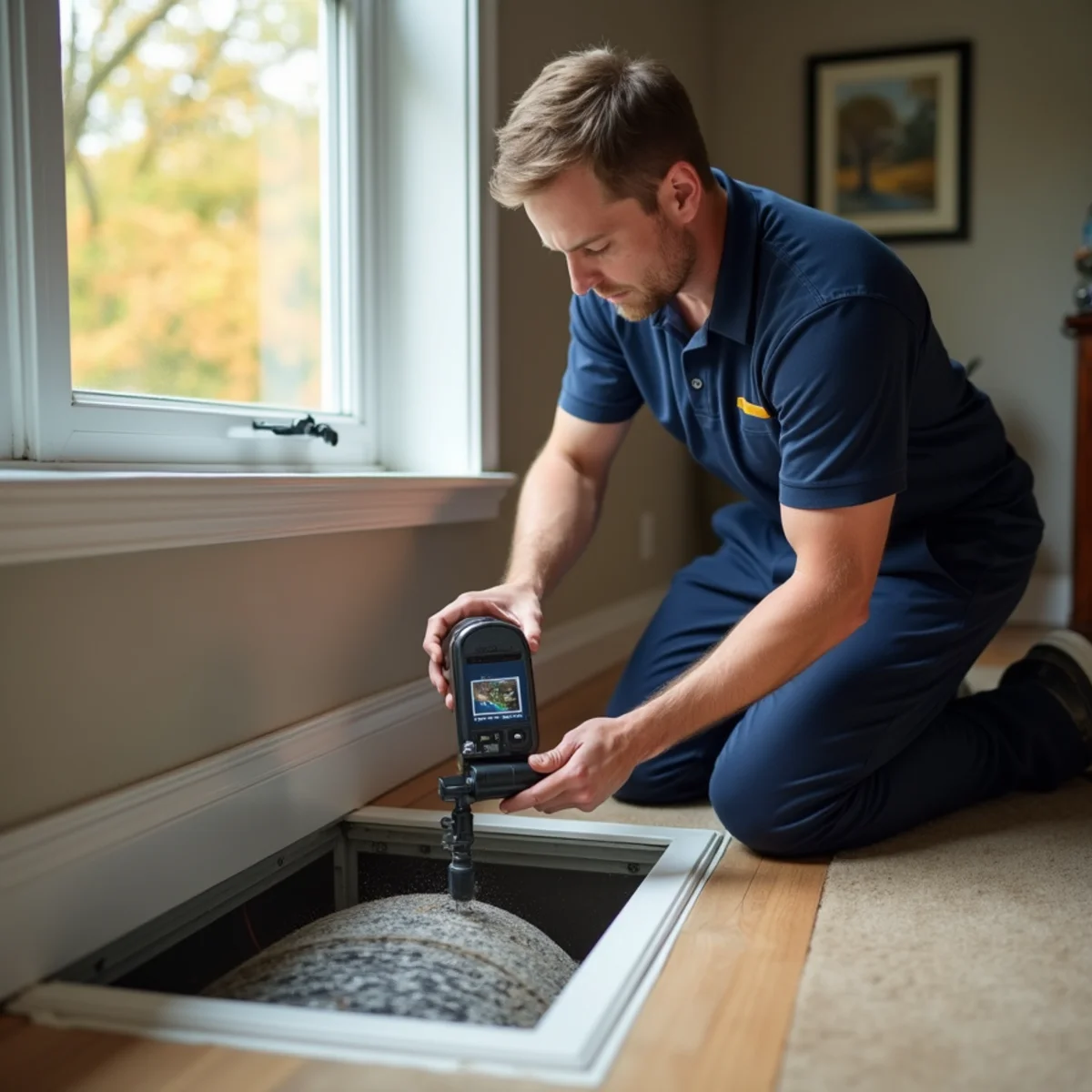
- Inspect ductwork and measure static pressure to see if it can handle the airflow
- Run the load calculation and review the results with you
- Recommend equipment options sized to the load, with notes on humidity control
We do this whether the job is a new air conditioning installation in Miamisburg or a replacement in West Carrollton or Kettering, where many ranch and split-level homes have had window, siding and insulation upgrades since the original AC went in. Those upgrades often mean the right replacement is smaller.
Size It Right the First Time
An air conditioner is a long-term purchase, and sizing is the one decision you cannot easily undo. Call us to schedule a load calculation before you replace your AC, and we will show you exactly how we arrived at the size we recommend.
AC Sizing Beyond the Load Calculation: Selection, Myths and What to Ask
A Manual J report gives a number in BTUs per hour. Turning that number into the right air conditioner takes two more steps that most sizing articles skip: picking equipment whose real capacity fits the load at Dayton-area conditions, and ruling out problems that look like a sizing issue but are not. Here is how that part of the job works.
From load to equipment: how Manual S keeps the size honest
ACCA Manual S is the companion standard for choosing equipment. Instead of rounding the load up to the next nominal ton, it checks the manufacturer's expanded performance data at the local cooling design condition, which Manual J takes from the temperature exceeded only about 1 percent of the hours in a typical year. Manual S also sets an upper limit on how far above the calculated load a single-stage air conditioner may go, generally around 115 percent of the total cooling load, with somewhat more room for two-stage and variable-speed equipment that can throttle down.
The split between sensible load (temperature) and latent load (moisture) matters here too. In a humid river-valley summer, a unit with good capacity on paper can still fall short on latent removal if the indoor coil and blower speed are not set up for it. We pick the coil pairing and fan settings with humidity in mind, not just temperature.
Sizing problem or service problem?
Many homeowners who ask for a bigger unit actually have a system that is the right size but not performing. Before anyone changes tonnage, these patterns are worth sorting out:
| What you notice | More likely a sizing issue | More likely a service or duct issue |
|---|---|---|
| Runs a few minutes, shuts off, repeats | Oversized equipment | Thermostat placed near a supply register |
| Runs constantly on 90-degree days, house stays near setpoint | Normal for a correctly sized unit | Only a concern if it cannot hold setpoint |
| Runs constantly and falls well behind | Undersized after an addition | Low refrigerant, dirty coil, failing capacitor |
| Cool but clammy | Oversized single-stage unit | Fan left on, pulling moisture back off the coil |
| One floor or room much hotter | Rarely the tonnage | Return air, duct routing, attic heat gain |
| Ice on the indoor coil or suction line | Not a size question | Restricted airflow or low charge |
If your system is struggling during a heat wave right now, start with our guide to an AC that stops keeping up in a Dayton heat wave, which walks through the filter, coil and breaker checks before any sizing decision.
Sizing myths we hear on estimates
- "Go up a size so it keeps up on the worst day." Design conditions already cover hot, humid afternoons; sizing for the rare extreme leaves the system oversized the rest of the summer.
- "The old one lasted 20 years, so that size must be right." Longevity says nothing about humidity control or comfort.
- "A bigger unit will lower my electric bill because it runs less." Frequent starts and short cycles waste energy and wear parts faster.
- "Square footage is all the contractor needs." Windows, shade, insulation and duct location move the load more than floor area does.
- "Variable-speed means size does not matter." It widens the margin, but a unit far above the load still runs at the bottom of its range and cycles.
What to have ready before a sizing visit
- The model number from the outdoor unit and the furnace or air handler.
- A list of upgrades since the system went in: windows, attic insulation, siding, roof, a finished basement or an addition.
- Rooms that run hot or cold, and what time of day it happens.
- Your summer habits: thermostat settings, whether the fan runs constantly, and whether you use a portable dehumidifier.
- Past utility bills for a summer month, which help show how long the system actually runs.
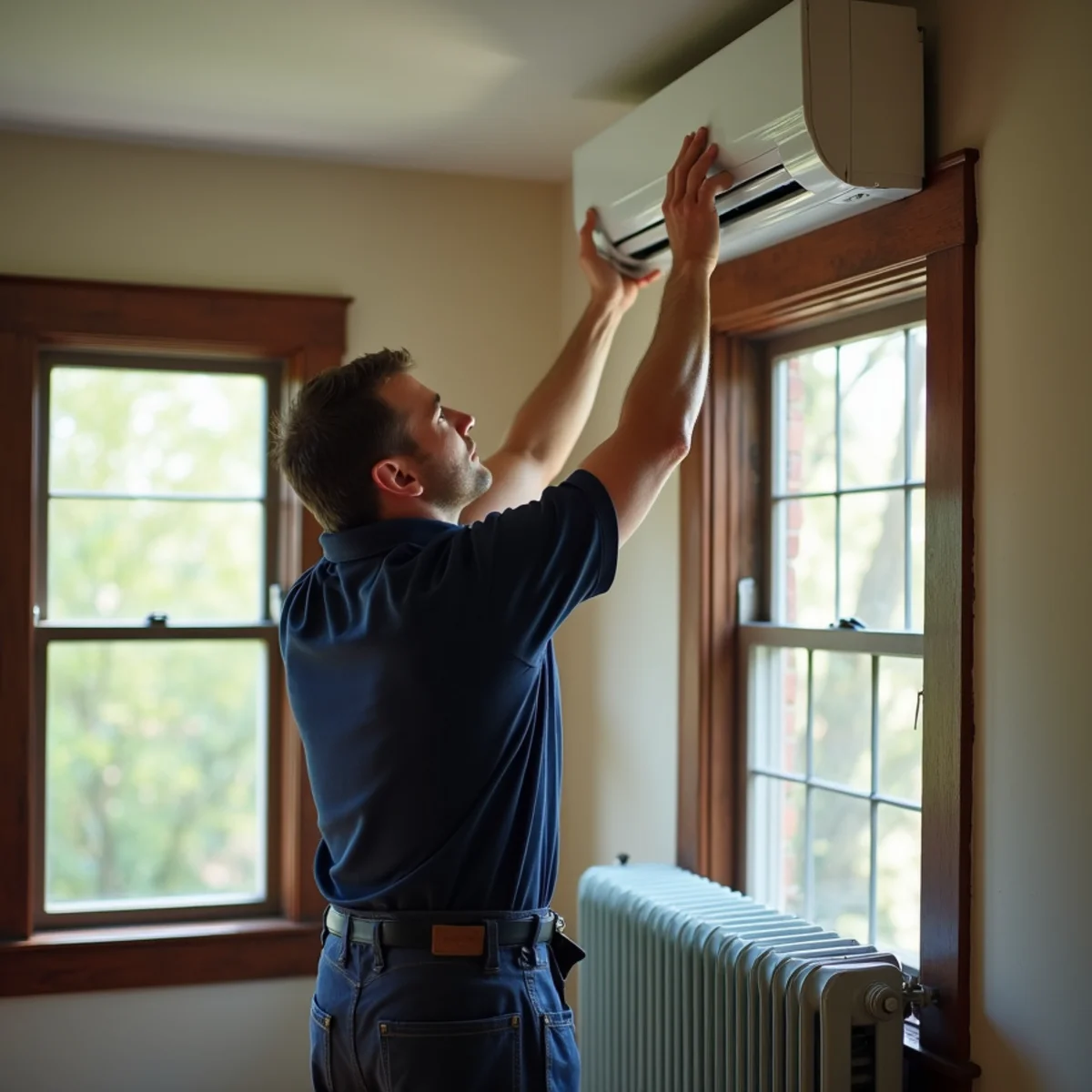
Homes with a stubborn upstairs heat problem, common in 1990s two-stories around Miamisburg and in Centerville, sometimes do better with a small ductless mini-split for the bonus room than with more tonnage on the central system. We will show you the load numbers for both paths so you can choose.
From our technicians
What we find when we check the old system's size
On replacement visits we compare the existing condenser's tonnage with a fresh load calculation, and the old unit is oversized more often than not. It is common to find a house that has had new vinyl windows, blown-in attic insulation and a new roof since the original AC went in, yet the previous contractor simply matched the old size. Those homeowners usually describe the same thing: the house cools fast, the thermostat is satisfied, and the air still feels damp by evening.
Before recommending a size, we also measure total external static pressure at the air handler. Many Miami Valley homes built in the 1960s through 1980s have return ducts that are too small for more than about two and a half or three tons of airflow. Putting a larger system on those ducts leads to a noisy blower, a freezing coil and poor efficiency, no matter what the nameplate promises. The honest tradeoff is that fixing a return duct sometimes matters more than the brand or tonnage of the new unit, and we will tell you when that is the case.
Want a technician to take a look?
Comfort Air Solutions serves Miamisburg, Dayton and the Miami Valley — 24/7 emergency service.
- 4.8★ · 32 Google reviews
- 25+ years’ experience
- Written options before work
- Factory-Authorized Bryant® Dealer