Quick answer
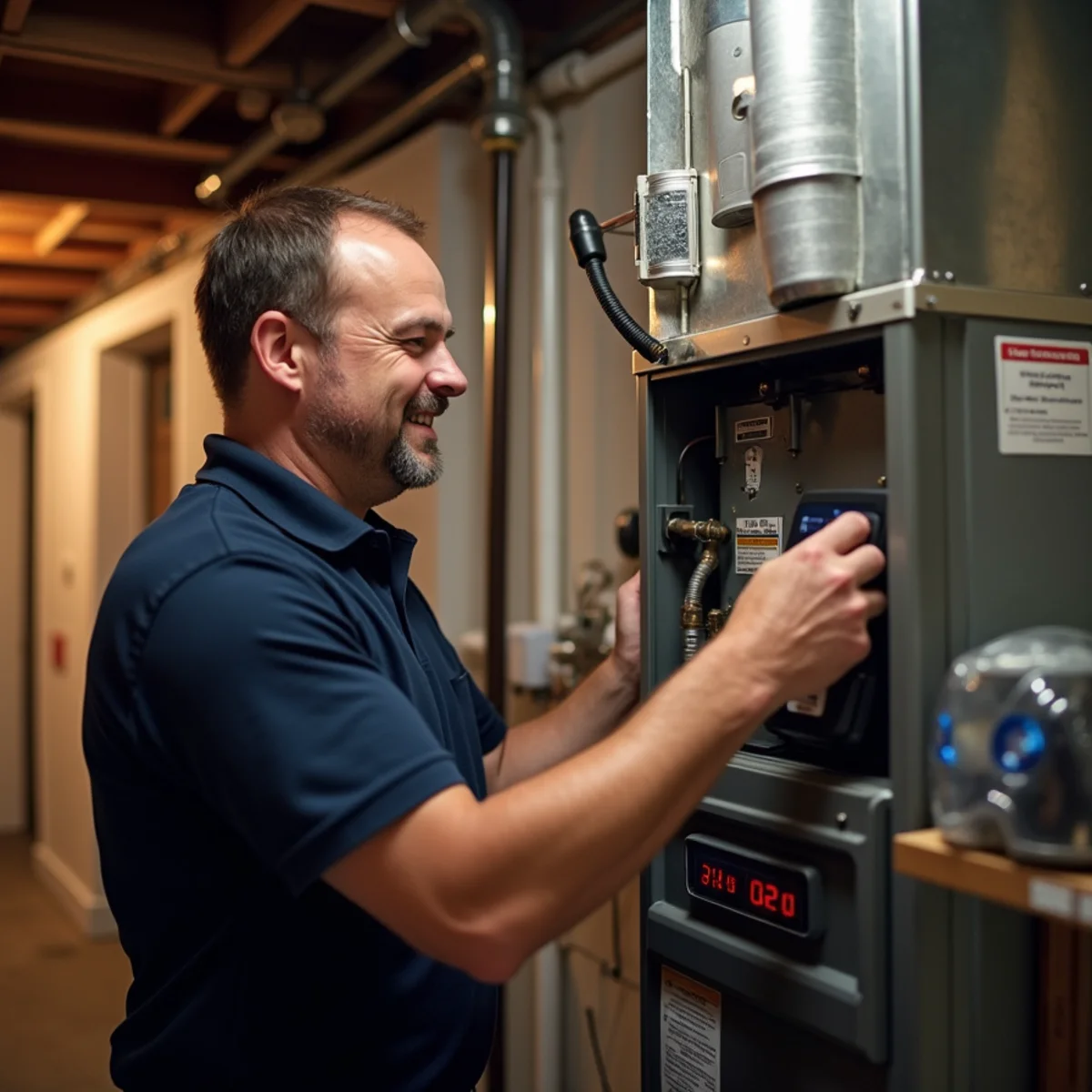
For indoor air quality in Miamisburg, OH, the most effective fixes usually live at the furnace: a deeper media filter, whole-home humidity control, a UV-C lamp at the coil and a low-level CO monitor. Comfort Air Solutions measures humidity, static pressure and combustion first, then gives you written options sized to the ductwork you already have.
Most Miamisburg homes push all their air through one duct system and one filter rack, many times a day. That makes the HVAC system the most practical place to clean, dry, humidify and monitor what your family breathes.
We start by listening to what bothers you, from allergy flare-ups and a musty basement to winter static shocks, and then we measure before recommending anything.
Because we are a factory-authorized Bryant® dealer that services all makes and models, we can add accessories to the system you already own rather than steering you toward a new furnace you do not need.
Signs your home's air needs attention
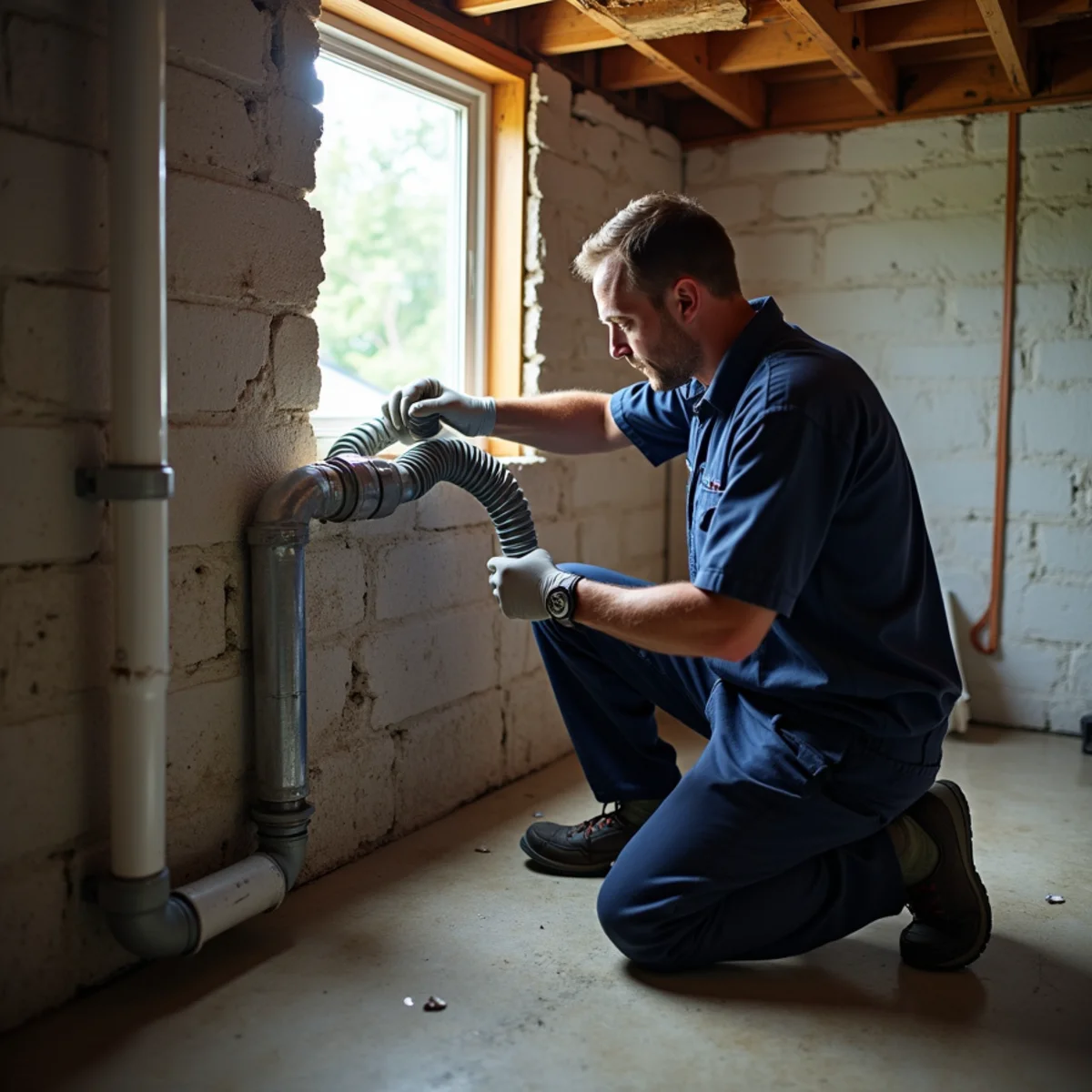
Musty smell in the basement or lower level
River-valley humidity soaks into block foundations every summer, and a damp odor usually means mold is finding a home.
Windows sweating in winter
Condensation on the glass in January means indoor humidity is too high for the outdoor temperature, often from a humidifier set too high or weak bath ventilation.
Static shocks, cracked woodwork and dry sinuses
Heated winter air in older Mound-area homes gets very dry, and gaps in hardwood floors say the same thing your nose does.
Dust that returns almost immediately
A thin fiberglass filter catches lint and little else, so fine dust, dander and pollen land on your furniture.
Allergy or asthma symptoms that ease when you leave
If family members feel better away from home, the air inside deserves a closer look.
Headaches or nausea that clear up outdoors
This can be a sign of low-level carbon monoxide. If a CO alarm sounds or anyone feels ill, get everyone outside and call 911 or your gas utility before you call us.
Seeing one of these signs?
Call now — we dispatch fast and give you written options before any work.
What an indoor air quality visit includes
Every appointment ends with numbers you can see and a plan you can take or leave.
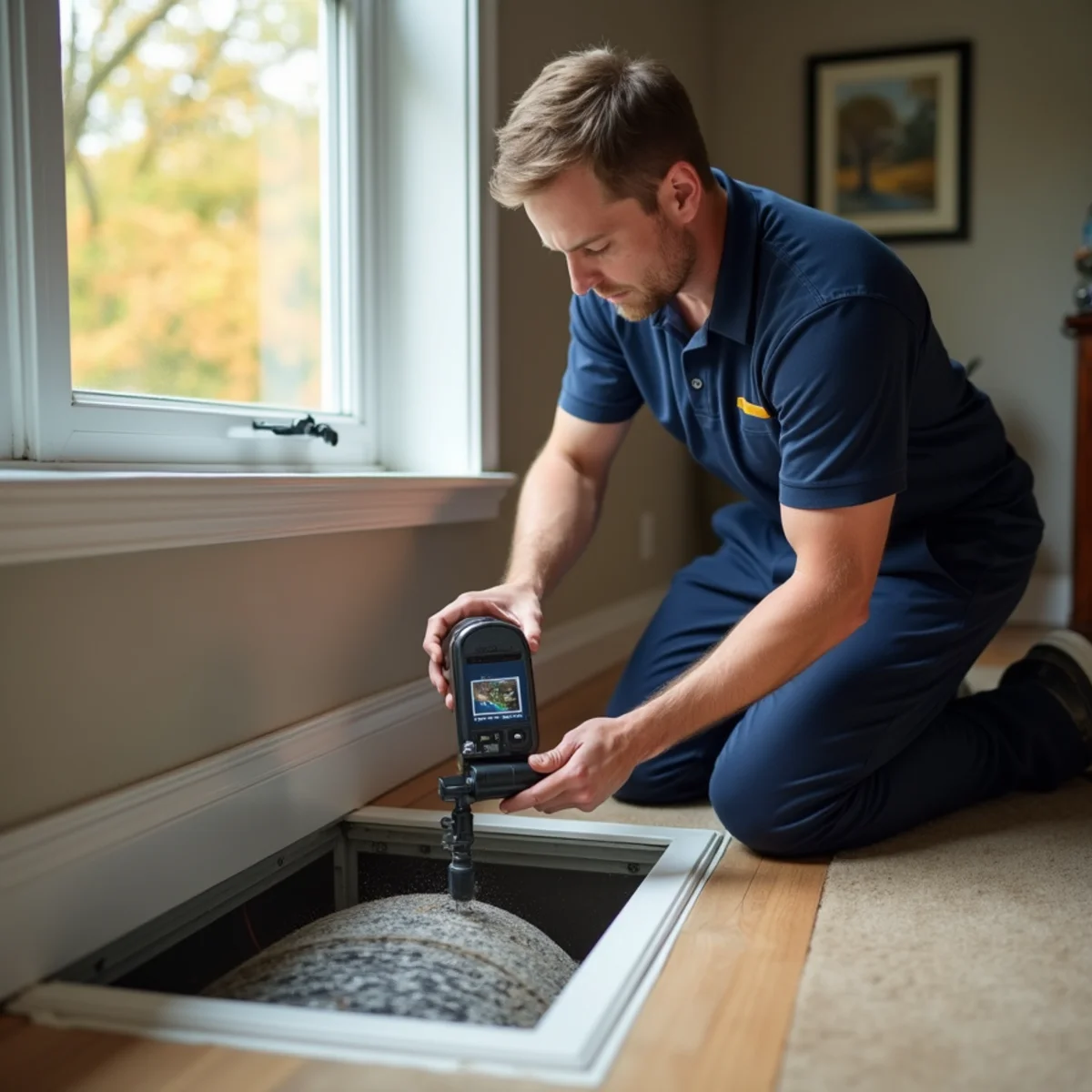
Relative humidity readings, room by room
We log humidity in the basement, main floor and bedrooms so the recommendation matches where moisture actually collects.
Static pressure and filter-fit check
A manometer reading across the blower tells us how much filter the system can handle, and we seal gaps that let dirty air sneak around the rack.
Evaporator coil and drain pan inspection
Slime, standing water or a musty coil points toward UV-C or a drain fix rather than a bigger filter.
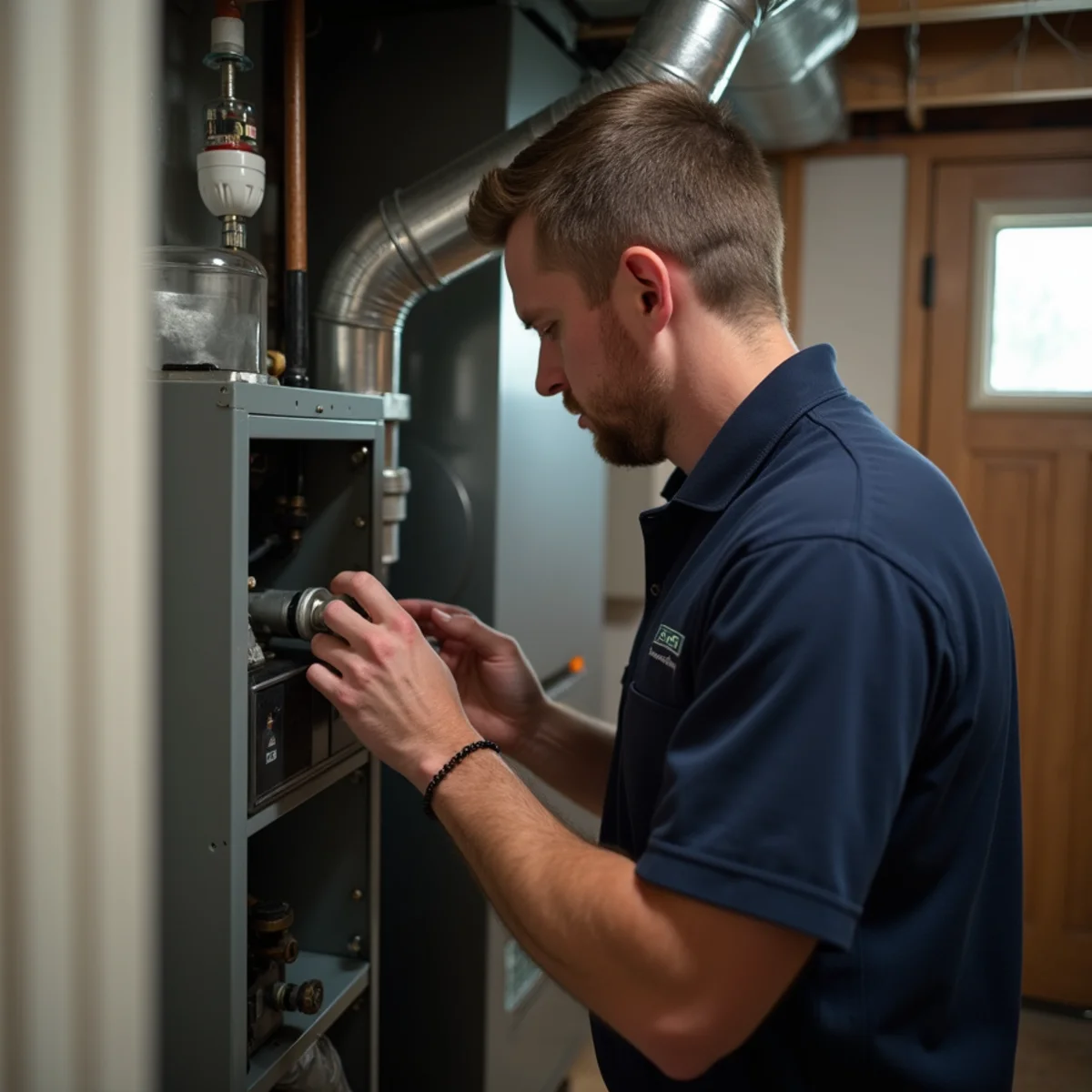
Combustion and CO check on gas appliances
The furnace flue and the air near the water heater get tested, because a venting fault is an air quality problem first.
Bath fan and return-air review
Weak exhaust fans and undersized returns are cheap to spot and often cause the dampness or dust people call about.
Written options with a maintenance schedule
Each product is listed with what it does, what it will not do, and how often its filter, pad or lamp needs attention.
How an indoor air quality visit works
- 1
Conversation and walk-through
We ask about allergies, pets and where problems show up, then look at the basement, bath fans and return ductwork.
- 2
Measure humidity, airflow and filter fit
We log relative humidity, check static pressure so a denser filter will not starve the blower, and look for gaps that let air bypass the filter.
- 3
Check combustion and CO
On gas furnaces we can perform a combustion analysis and check for carbon monoxide at the appliance, because no purifier fixes a venting problem.
- 4
Recommend a short list of options
You get a plain-English explanation of what each product will and will not do, usually at more than one price point.
- 5
Install, set up and show you the maintenance
We mount equipment cleanly, set seasonal humidity targets, and show you filter, UV lamp and humidifier pad maintenance.
What affects the cost of indoor air quality upgrades
Every home is different, so we quote after we have seen your system. These are the factors that move the number up or down.
- Type of equipment
- A filter cabinet upgrade is a smaller project than a whole-home dehumidifier with its own ducting and drain.
- Space around the furnace
- Tight closets and crowded utility rooms can require plenum modifications to fit a media cabinet or UV lamp properly.
- Water and drain access
- Humidifiers need a water supply and dehumidifiers need a drain or condensate pump, and the distance to each matters.
- Electrical requirements
- Some accessories share the furnace circuit while others need a dedicated connection or a controller wired to the thermostat.
- Ductwork condition
- Leaky or undersized returns may need attention first, or the new equipment cannot perform the way it should.
Humidity control for Miami Valley homes
Southwest Ohio swings between two humidity problems. In summer the air near the Great Miami River is heavy, and an oversized air conditioner cools quickly without running long enough to pull moisture out. Basements stay clammy and dust mites thrive.
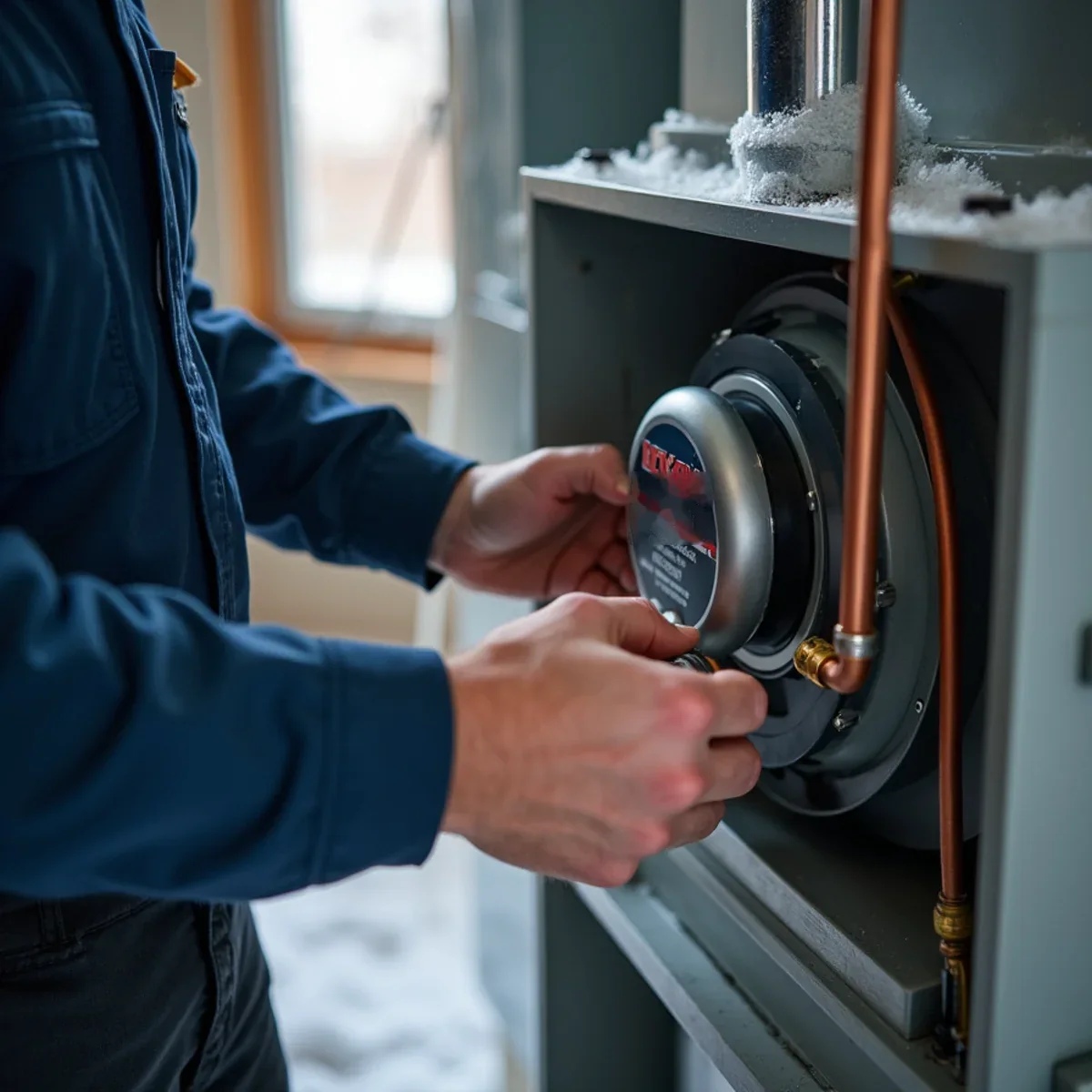
A whole-home dehumidifier ties into your ductwork and removes water independently of cooling, so you can hold a steady level without overcooling the house. In winter the opposite happens. A bypass or steam humidifier on the furnace adds moisture back in a controlled way, and a good controller lowers the target as outdoor temperatures fall to keep windows dry.
Our blog post on managing humidity in Miami Valley homes goes deeper on target ranges by season.
UV air purifiers, media filters and MERV ratings
UV-C lamps mounted near the evaporator coil keep that cold, wet surface from growing mold and bacterial film, which helps with musty startup smells and keeps the coil cleaner. They are a coil-protection and odor tool more than a dust tool.
For dust and allergens, a four- or five-inch media filter cabinet is usually the best value. The extra depth lets you use a higher MERV rating without choking airflow, which is why we measure static pressure first. Pairing a filter upgrade with professional air duct cleaning makes sense when renovation dust or years of neglect are already in the trunk lines.
Ventilation and low-level CO detectors
Newer, tighter homes can trap cooking odors and moisture. Properly sized bath fans, range hood venting or an energy recovery ventilator solve that at the source.
Standard plug-in CO alarms are designed to sound at higher concentrations. Low-level CO monitors display smaller readings over time, which can flag a furnace or water heater venting issue early. We pair them with our carbon monoxide and furnace safety checks for homes with gas appliances, and we install them throughout Miamisburg and the surrounding Montgomery County communities.
What we can and cannot fix through your ductwork
Plenty of companies sell air testing for mold, VOCs and radon. Our focus is narrower and more practical: the particles, moisture and combustion gases your forced-air system moves or creates. Paint fumes and new-furniture odors are best handled with source control and fresh air, and radon belongs with a certified radon tester and a sub-slab mitigation system, not a furnace accessory.
We also steer people away from purifiers that generate ozone on purpose. Ozone irritates lungs, and a closed-up January house is no place for it. Our UV-C lamps and filter media clean without adding a new pollutant.
A technician's guide to whole-home air cleaning, humidity and ventilation
Search results for indoor air quality tend to mix three different businesses together: lab testing firms, gadget sellers and HVAC contractors. This section covers only the part a heating and cooling technician can actually change, and it explains the tradeoffs we weigh at the furnace before anything gets ordered.
Comparing the air cleaners that mount on a furnace
Every option below lives in or near the return duct, so the blower does the work of delivering room air to it. They are not interchangeable. Each one targets a different problem, and some pair well while others overlap.
| Technology | Best at | Weak at | Upkeep | What we check first |
|---|---|---|---|---|
| One-inch pleated filter | Protecting the blower and coil from lint | Fine dust, dander, smoke particles | Frequent swaps, often monthly in heavy seasons | Whether the rack leaks air around the edges |
| Four- or five-inch media cabinet | Pollen, dander and household dust at modest resistance | Gases and odors | Usually one or two new cartridges a year | Room beside the furnace and the static pressure budget |
| Electronic air cleaner (collector cells) | Very fine particles, with washable plates | Performance fades as plates load up | Cells washed every few months | That the unit is sized for the blower's airflow |
| Bypass HEPA unit | The finest particles for sensitive households | Treats only the share of air routed through it | Prefilter and HEPA element changes | Space for the side ducts and a spare circuit |
| UV-C lamp at the coil | Keeping the coil and drain pan free of growth | Dust in the rooms | Lamp replaced on the maker's schedule | Access to shine on the coil without hitting plastic parts |
For most families the practical pairing is a deep media cabinet for particles and, where the coil smells or grows slime, a UV-C lamp for the coil itself. Electronic cells suit people who would rather wash plates than buy cartridges, as long as they keep up with the cleaning.
The readings behind our recommendation
- Total external static pressure. We compare the manometer reading to the furnace nameplate's rated maximum. A system already near its limit needs more return or a deeper filter, not a denser thin one.
- Pressure drop across the filter. Measured clean, then noted for later, it tells you when a cartridge is truly loaded instead of guessing by the calendar.
- Relative humidity and dew point. Humidity alone misleads in a cool basement; dew point shows whether walls and ducts will actually sweat.
- Supply air temperature and coil condition. A cold, wet coil with dark film points to UV-C or a drain fix, while a clean coil with a damp house points to run time and dehumidification.
- Ambient CO near gas appliances. Any sustained reading above zero in the living space changes the conversation from comfort to safety.
What Miami Valley seasons do to the air in your house
Late spring brings tree pollen, and by early June cottonwood fluff drifts off the Great Miami River corridor and packs condenser fins and window screens. Ragweed takes over in late summer. Those months are when a deep media filter earns its keep, and when a filter that looked fine in April can load up fast.
Summer dew points in the Dayton area regularly climb high enough that block basements and crawlspaces stay damp even with the AC running. Older homes near downtown Miamisburg and the Mound leak air freely, which makes them dusty and dry in winter, while 2000s subdivisions in Springboro and Miami Township hold moisture and cooking odors because they are built tighter. Our blog explains how often to change a furnace filter in Ohio through each of those seasons.
Mistakes we see on indoor air quality calls
- Leaving the thermostat fan on continuous all summer. Moisture that condensed on the coil gets blown back into the house between cooling cycles, which can raise indoor humidity.
- Stacking two filters in one slot, or forcing a thicker one than the rack was built for. Airflow drops and the coil can freeze.
- Buying a purifier that makes ozone on purpose, then closing the house up for winter with it running.
- Setting a furnace humidifier high in December and forgetting it. Frost forms inside exterior walls and attic sheathing before anyone sees wet windows.
- Draining a dehumidifier into a floor drain with no trap primer or air gap, so sewer odor comes back up in the basement.
- Skipping the humidifier water panel for a season. Mineral scale from hard Miami Valley water blocks it and feeds odor.
After the installation: what you should notice
Within a couple of weeks, dust on dark furniture should settle more slowly, a musty startup smell should fade, and a hygrometer on the main floor should sit near the target we set together. If it does not, call us back so we can remeasure rather than guess. Comfort Air Fan Club members get these checks folded into their spring and fall tune-up visits, where we log filter pressure drop, clean humidifier panels and note the UV lamp date.
Why choose Comfort Air Solutions for indoor air quality
We measure before we sell
Humidity logs and static pressure readings come first, so nobody talks you into a purifier your blower cannot push air through.
Accessories for the system you already own
As a factory-authorized Bryant® dealer that works on all makes, we fit filter cabinets, humidifiers and UV lamps to existing furnaces instead of pushing a replacement.
Combustion safety is part of the job
Our technicians run combustion analysis and install low-level CO monitors, the same work that has caught unsafe furnaces for customers who later wrote about it.
Plain answers and upkeep that is easy to remember
Reviewers keep mentioning explanations they could follow, and Comfort Air Fan Club members get lamp and pad checks folded into their spring and fall tune-ups.
Indoor Air Quality near Miamisburg
Humidity complaints come most often from homes near the river and creeks, so we do a lot of dehumidifier and UV work in West Carrollton, Moraine and the older neighborhoods of Dayton. Dry winter air and dust tend to be the bigger issue in newer, tighter subdivisions around Springboro and Centerville, where humidifiers and deep media filters do the heavy lifting. Our Miamisburg shop sends technicians across Montgomery, Warren and Greene counties for this work.
We provide indoor air quality from our Miamisburg shop throughout the southern Dayton suburbs, including:
- West Carrollton, OH
- Moraine, OH
- Springboro, OH
- Germantown, OH
- Kettering, OH
- Centerville, OH
- Dayton, OH
- Franklin, OH
- Carlisle, OH