Quick answer
Air duct cleaning is worth it when there is a real problem: construction dust after a remodel, rodents or insects in the ducts, confirmed mold, or debris blowing from registers. For a typical home with a good filter changed on schedule, routine cleaning rarely helps, and sealing leaky return ducts often does more to reduce dust.
Duct cleaning is sometimes essential and sometimes a waste. Here is an honest look at when it pays off, when it does not, and why sealing leaky ducts often matters more.
Air duct cleaning is worth it in specific situations: after a renovation that sent drywall dust into the system, after rodents or insects got into the ducts, when there is confirmed mold growth, or when you can see debris blowing out of the registers. In a typical home with a good filter changed on schedule, routine cleaning every few years rarely makes a measurable difference.
That may be an unusual thing for a company that offers duct cleaning to say, but it is the honest answer, and it is how we approach every inspection.
When Duct Cleaning Is Clearly Worth It
After remodeling or new construction
Sanding drywall, cutting tile and refinishing floors put fine dust into the air, and if the system ran during the work, a lot of it ended up in the return ducts and blower. That dust keeps recirculating for months and loads up filters and the blower wheel quickly.
Pests in the ductwork
Mice and insects sometimes nest in ducts, especially return runs in crawlspaces and basement panning. Droppings and nesting material are unsanitary and can produce odors when the blower runs. Cleaning is warranted, and so is sealing the entry point.
Visible mold
Mold growing on duct surfaces, the blower or the evaporator coil needs attention. Cleaning alone is not enough, though. Mold returns unless the moisture source is fixed, whether that is a clogged condensate line, an oversized AC that never dehumidifies, or ducts sweating in a damp basement.
Debris you can actually see
If dust puffs out of registers when the system starts, or you pull a register cover and find heavy buildup, pet hair clumps or construction debris, cleaning makes sense.
When It Usually Is Not Worth It
- A light, even film of dust on duct walls is normal and does not drift into living spaces
- Dusty furniture is more often caused by leaky ducts or a poor filter than by dirty ducts
- Allergy symptoms alone do not prove the ducts are the source
- A coupon offering a whole-house cleaning at a suspiciously low price is often a lead-in for upsells
Why Duct Sealing Often Matters More
Leaky ducts are one of the most common and least noticed problems in Dayton-area homes. Return ducts with gaps pull in dusty air from attics, crawlspaces, garages and wall cavities, so the system keeps redistributing dirt no matter how often the ducts are cleaned. Supply leaks send conditioned air where you do not need it.
| Duct cleaning | Duct sealing | |
|---|---|---|
| Fixes | Debris, pest contamination, construction dust | Air leaks, dust intake, weak airflow |
| Helps comfort | Only if buildup restricted airflow | Often, by delivering more air to far rooms |
| Helps energy use | Rarely on its own | Often, by stopping conditioned air losses |
| How long it lasts | Until new contamination arrives | Many years when done with mastic or foil tape |
Sealing joints with mastic, fixing disconnected runs and closing gaps at the air handler can do more for dust and comfort than cleaning alone. In many homes the best result is both: clean once, then seal so it stays clean.
Signs Your Ducts Need Attention
- Dust blowing from registers at startup
- Rooms that never get enough airflow compared with the rest of the house
- Musty odors when the blower runs
- Filters that load up with dust much faster than they used to
- Rattling, whistling or visibly disconnected ducts in the basement or attic
- Evidence of pests near return grilles or duct openings
What a Proper Cleaning Includes
If cleaning is warranted, it should cover the whole system, not just the registers you can reach. Our air duct cleaning service uses negative-pressure collection with agitation tools to loosen debris from supply and return runs, and includes the blower compartment and accessible areas around the coil, where much of the dirt settles. Pairing it with better filtration or other indoor air quality upgrades keeps the ducts cleaner longer.
We see a lot of post-renovation calls in Centerville and Beavercreek, where 1970s and 1980s homes are getting updated kitchens and finished basements. Those are exactly the jobs where cleaning earns its keep.
The Blower and Coil Matter More Than the Duct Walls
The U.S. EPA's guidance on duct cleaning makes a point most sales pitches skip: dust stuck to duct walls mostly stays there, while dirt on the blower wheel and the indoor coil directly affects how the system runs. A blower wheel caked with lint moves less air. A matted evaporator coil restricts airflow, can freeze in summer and gives mold a damp place to grow. In our experience, cleaning those two components often does more for airflow and efficiency than cleaning every foot of ductwork.
How to Vet a Duct Cleaning Company
Duct cleaning attracts more low-price advertising than almost any other home service. Before you let anyone start, ask these questions:
- What equipment keeps the system under negative pressure? A truck-mounted or high-capacity portable collector should be pulling air out of the ducts the entire time, or loosened dust ends up in your living room.
- Will you clean the blower, coil and plenum, or only the ducts? A job that skips the air handler leaves the dirtiest part of the system untouched.
- Do you follow the NADCA cleaning standard? The National Air Duct Cleaners Association publishes a standard for source-removal cleaning, and a reputable company should know it.
- Are you planning to spray anything into the ducts? Biocides and duct sealants sprayed inside ducts should only be used after mechanical cleaning, for a specific reason, and with product labels you can review.
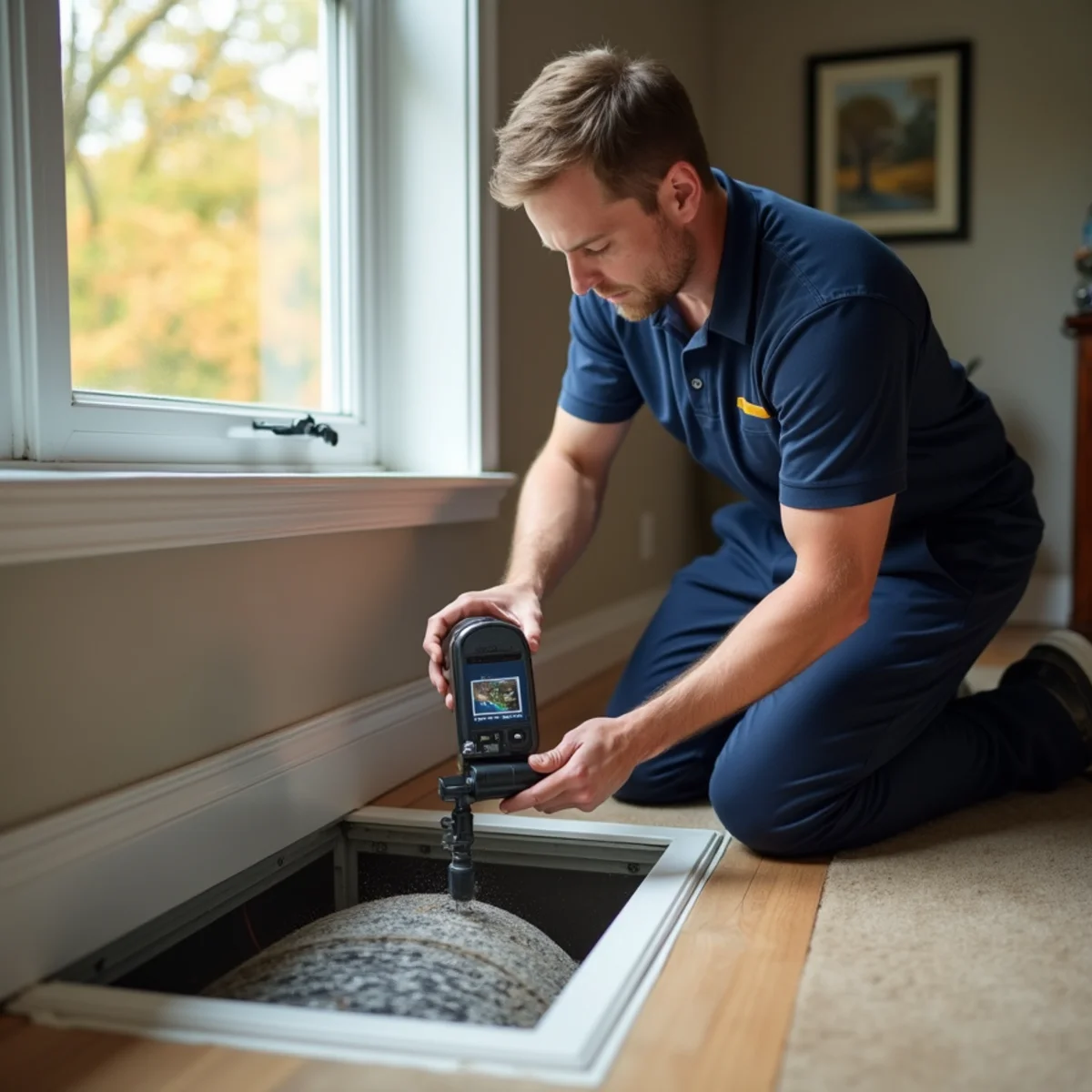
- Can I see before-and-after photos of my own ducts? Camera footage of your actual system is the best proof of what was found and removed.
Get a Straight Answer About Your Ducts
If you are unsure whether your ducts need cleaning, sealing or nothing at all, call us to book an inspection. We will show you what the camera finds and recommend only what will actually help your home.
A Duct Cleaning Decision Guide for Your Own House
Most of the argument online about whether duct cleaning is a scam comes from treating it as one service for every house. It is really one tool among several. The guide below matches common complaints to the fix that actually addresses them, gives you a self-check you can do before calling anyone, and explains what the evidence does and does not support.
Match the problem to the fix
| What you are dealing with | Duct cleaning | Duct sealing | Other fix that usually matters more |
|---|---|---|---|
| Drywall or sanding dust after a remodel | Yes | Only if returns are open to the work area | New filter right after the work, then again a few weeks later |
| Mouse droppings or nesting at a return | Yes, that section | Yes, close the entry point | Pest control at the rim joist or crawlspace |
| Mold on the coil or in a duct | Yes, after the moisture source is fixed | Seal and insulate sweating ducts | Clear the condensate drain, check AC sizing and humidity |
| Gray dust on furniture a day after dusting | Rarely | Often, especially panned returns | A filter that fits its slot with no bypass gap |
| One room gets weak airflow | Only if a run is blocked | Often, at disconnected joints | Balancing dampers, crushed flex duct, return path |
| Musty smell when the AC starts | Sometimes | Sometimes | Dirty coil, standing water in the drain pan, damp basement |
| Just bought the house, no obvious problems | Optional | Worth checking | Camera look at a few runs to decide |
A ten-minute self-check before you call
- Turn the system off at the thermostat. Remove two supply registers and one return grille, and shine a flashlight inside.
- Look for clumps, pet hair, construction debris, droppings or anything growing. A thin, even gray film is normal.
- Pull the furnace filter. Check whether it fits the slot snugly or leaves gaps around the edges where air can sneak past.
- Look at the filter's face. Dust on the back side, or dirt streaks around the frame, means air is bypassing it.
- In the basement, look at the return ductwork. Panned returns nailed to the floor joists with open ends or gaps are a common dust source.
- Take photos of what you find. They make the phone conversation more useful and help us decide whether a camera inspection is even needed.
What cleaning will not do
The EPA's consumer guidance on duct cleaning is blunt on a few points, and we agree with it. Keeping these in mind protects you from the most common overselling:
- It has not been shown to prevent health problems, and studies have not shown that dirty ducts raise dust levels in living areas.
- It will not fix dust that is being pulled in through leaks in the return side of the system.
- It will not keep mold away if the coil, drain pan or ducts stay wet.
- It will not make up for a filter that is the wrong size or changed too rarely; our guide on how often to change a furnace filter in Ohio covers that.
- Sprayed biocides and sealants are not a substitute for physically removing debris.
Miami Valley conditions that dirty a duct system
Local housing and weather create a few repeat patterns. Mice look for warm shelter once fall nights turn cold, and gaps where basement return runs meet the rim joist give them an easy path into the system. Humid summers make uninsulated supply ducts in basements and crawlspaces sweat, and damp dust is what feeds mold. Split-levels and ranches from the 1960s and 1970s, common in Kettering, often rely on panned returns that were never sealed. In those homes, controlling moisture with our guide to indoor air quality in Miami Valley humidity and sealing the returns usually does more than repeat cleanings. When cleaning is the right call, our duct cleaning service starts with the camera so you see the before and after.
From our technicians
What our camera actually shows inside Miami Valley ducts
When we run an inspection camera into a return duct, the most common find is not a thick layer of dust on the walls. It is a gap. Panned returns built between basement floor joists are rarely sealed, and they pull air from the rim joist, the laundry area or an unfinished crawlspace. That air brings dust, lint and sometimes insulation fibers straight to the blower. Homeowners in those houses often see gray dust on furniture a day after cleaning and assume dirty ducts are the reason.
The second most common find is a blower wheel with its fins packed with dust, often behind a filter that did not fit its slot and let air bypass around the edges. We measure static pressure before and after work so you can see whether airflow actually improved, rather than taking our word for it. The mistake we see most is paying for a quick whole-house special that vacuums the registers and skips the air handler. If cleaning will not change anything we can measure, we will say so, and suggest a properly fitted filter or sealing instead.
Want a technician to take a look?
Comfort Air Solutions serves Miamisburg, Dayton and the Miami Valley — 24/7 emergency service.
- 4.8★ · 32 Google reviews
- 25+ years’ experience
- Written options before work
- Factory-Authorized Bryant® Dealer